
Description
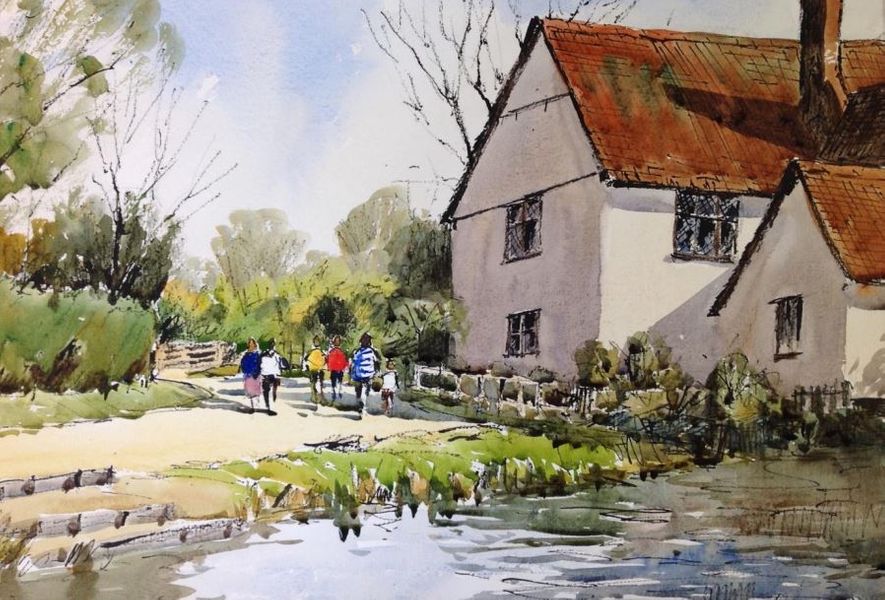
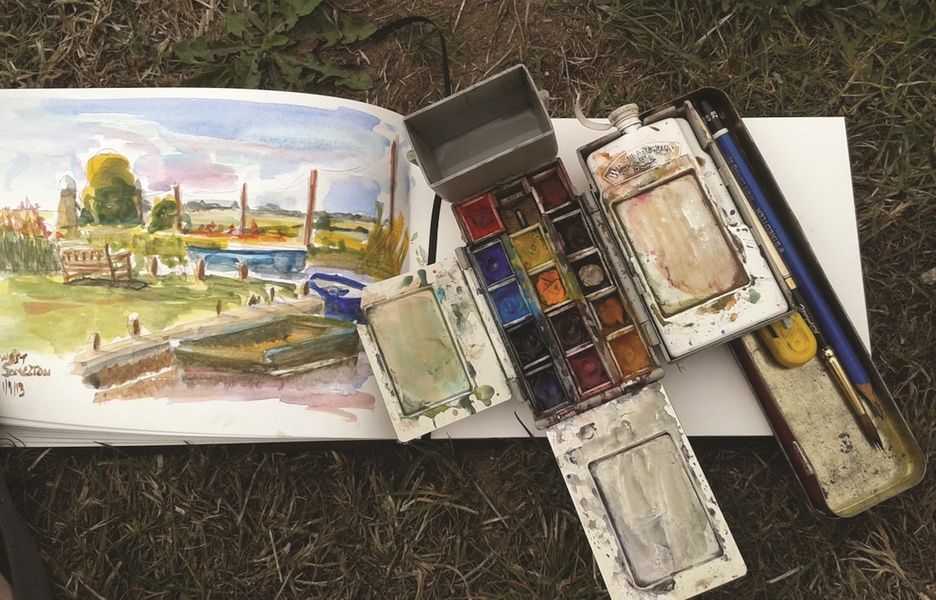
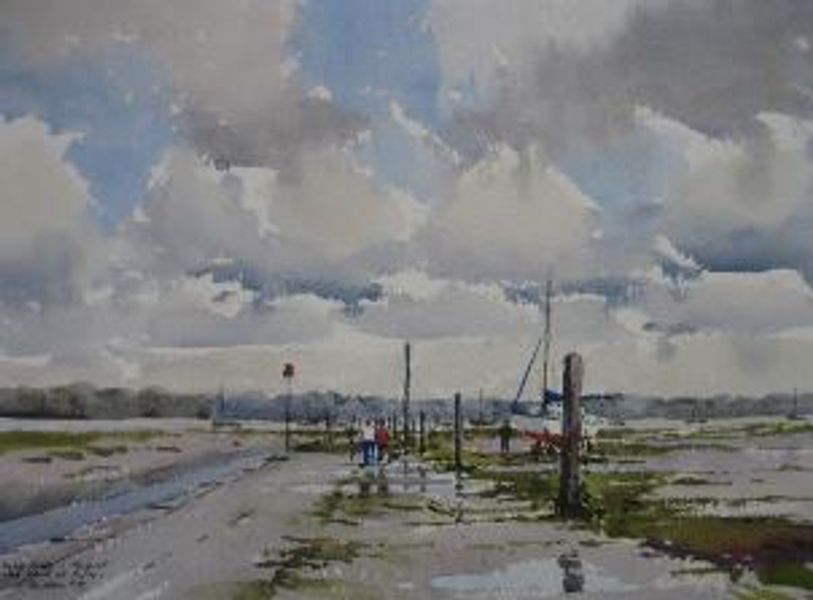
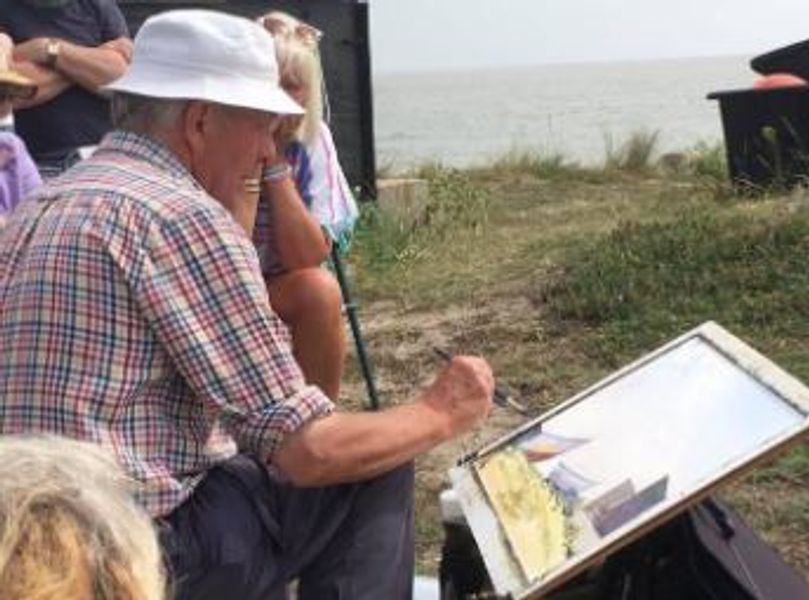
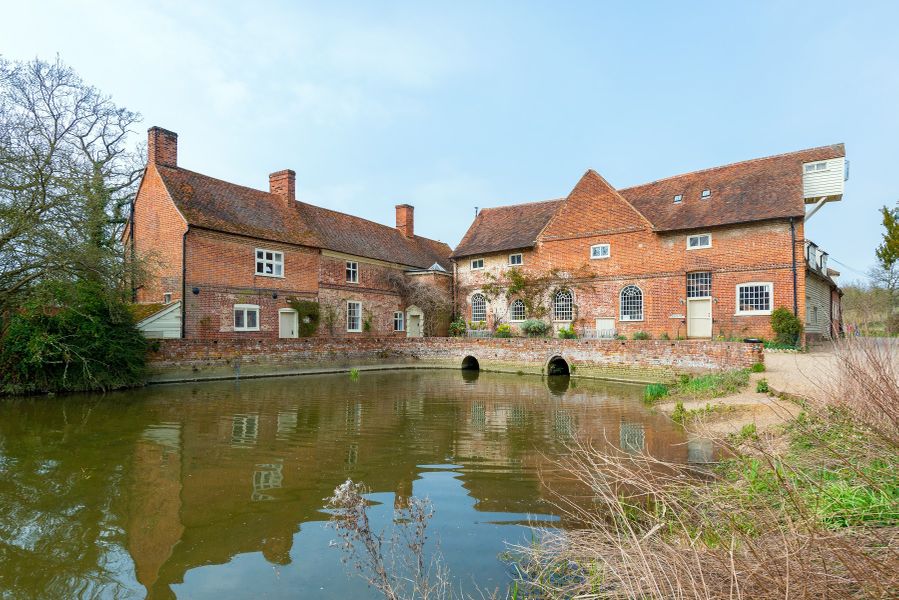
Freshen up your watercolours with Andrew Pitt. This weekend course is for anyone who has attended a beginners’ course, or painted with watercolours before. If you feel in need of new inspiration to be able to make further progress, this course is for you. Tuition will be through a mixture of demonstrations and individual guidance, according to your prior experience. The course is also suitable for anyone who has tried watercolour but has been disappointed with their results. There will be plenty of demonstrations but you will also receive individual guidance according to your experience. The aim of the demonstrations will be to show you how the unique and elusive properties of watercolour, transparency and freshness, can be achieved and exploited. Subjects will be suggested both outdoors and in the studio, according to the weather. The course will include plenty of practical work concentrating on analysing and simplifying the subject in a visual way. All the basic technical information will be covered, but the emphasis will be on painting fresh lively watercolours using the most direct methods possible, with the simplest of materials. Andrew believes that concentrating on basic watercolour technique. Students will learn by painting pictures rather than exercises. The main aim of the course is to stimulate you and show that painting attractive, lively watercolours is achievable by all, using a straightforward, no-nonsense approach. Students should leave the course with renewed enthusiasm and interest in this fascinating medium! Andrew usually completes a demonstration on arrival day after the evening meal. The purpose of this demo is to show the how effective a simple approach can be. This exercise will also make clear the main difficulties, and provide solutions to the most common problems painters have when trying to achieve a fresh look to their watercolours. The other days are broadly divided into three sessions. On the morning of the first full day Andrew usually does another full demonstration painting. On this occasion there will be time to go into the nature of watercolour in more depth, and, although, watercolour has been described as a simple medium this is not the same as being easy. If the weather is suitable there will be an opportunity to paint outside – Andrew will suggest subjects, but students can use their own reference material. Once Andrew has seen everyone paint he will be in a better position to identify the main problem areas, and subsequent sessions will seek to address these: paint consistency, using too much water, not using enough colour, over painting, mixing greens, painting skies, mixing greys, stroking the paper with the brush rather than painting properly…in the past there has never been a shortage of things to cover. Indeed, students can expect to go home with more painting problems than they thought they had when they first started the course, but hopefully the problems Andrew will confront will be ones that are worthwhile tackling if you want to freshen up your paintings. There will be a third teaching session after the evening meal. Once students have tried painting they are usually ready to see another demo as they then know what to take particular notice of. Learning to paint in watercolour is about practising. Therefore, it is important to adopt a painting method that is enjoyable to practise and suits your temperament and life-style. One of the main purposes of the weekend is to provide everyone with enough enthusiasm to carry them through when they get home and begin painting on their own. Andrew is keen to ensure we focus on the things which will improve our work. One thing is certain, if you carry on painting in the same way as you have been in the past and are not happy with the results, then carrying on painting in the same way is unlikely to change anything! Course tutor: Andrew Pitt Andrew Pitt has had many one-man exhibitions and is an experienced tutor and demonstrator. He frequently runs painting workshops for art societies and is also a regular contributor to the Leisure Painter magazine. This is his 12th consecutive season as an Associate Tutor at Field Studies Council Flatford Mill. What to bring Bring any painting equipment you already have. The following are suggestions only and describe the equipment Andrew will use. There is certainly no need to purchase everything. It is best if you are completely new to watercolour to purchase the minimum of painting materials first and see what Andrew uses. You will then be able to find out what will suit you. BRUSHES - You will need one round large brush for skies and a medium and small brush that point well for detail. So three brushes, probably in the size range 3 – 10. Natural hair (sable or squirrel) is best – avoid synthetic/nylon hair if you can. COLOURS - Either pan colours (in small plastic holders) or tube colours are suitable – tubes are the easiest and most convenient to use. Andrew will use the following colours: Ultramarine Blue Raw Sienna Burnt Sienna Prussian Blue Light Red Burnt Umber Cobalt Blue Cadmium Yellow Viridian Green Alizarin Crimson PAPER - It is essential that you bring paper made specifically for watercolour painting. A suitable make called Bockingford is obtainable in most art shops. You may also like to bring a small pad of cartridge paper for making quick sketches and notes. Paper will be available for sale. Arches watercolour paper is also good. Try to use paper which is at least 140lb in weight i.e. thickness, to ensure it doesn’t buckle when wet. PENCILS - Please bring at least a 2B or softer (3B) pencil. OTHER MATERIALS - Please bring a watercolour palette to hold and mix your paint; a water bottle and a water container. Bring an easel if you have one, but the Centre does provide drawing boards and table easels. A plastic eraser, masking tape and tissues/kitchen roll will all be useful. Optimists should bring a sun hat. OTHER ITEMS - The Centre will provide drawing boards. We also have small sketching stools and easels for hire at a small charge if required. The Centre shop stocks loose sheets of Bockingford 140lb paper. Information for Resident bookings (We are currently only offering non-residential spaces on this course as residential spaces are sold out) About Flatford Mill: We have four buildings that are used for visitor accommodation. Whilst most rooms are either en-suite or have a dedicated bathroom, there are some rooms in The Mill that share showers and toilets at the end of the hall. If this is unsuitable for you please make the office staff aware upon booking or as soon as possible. Please be aware that you are visiting a Field Centre that caters in the main for school parties; the accommodation is basic and dormitory style, but warm and comfortable.
What's included in the price?
- Expert Tuition - Free Wi-Fi - Hot and Cold Drinks - Full board accommodation - Picnic lunch Refreshments are included for all, but non-resident bookings are advised to bring lunch with you. Full board accommodation and picnic lunch is available for resident bookings only.
Duration
3 days
Cancellation policy
Strict - Cancellation and a full refund can be obtained up to 8 weeks before the course starts
Maker

Inspiring creativity through nature. The Field Studies Council offers a range of art and craft courses led by experienced tutors in stunning natural settings. From our historic Flatford Mill to Bishops Wood and Amersham, our courses invite you to explore your creativity and learn new techniques. Whether you’re a beginner or an experienced artist, you’ll enjoy hands-on learning in a welcoming, supportive environment.
Suitable for
- Adults
- Seniors
- Limited mobility
- Suitable for all abilities
- Intermediate level
- Parking provided
- Weekends
- Advanced/pro level
- Accommodation offered
- UK Holiday
- Residential
- Engagement, birthdays & anniversaries
- Suitable for beginners