Wet felting a small bag - Saltby. Leicestershire
Description
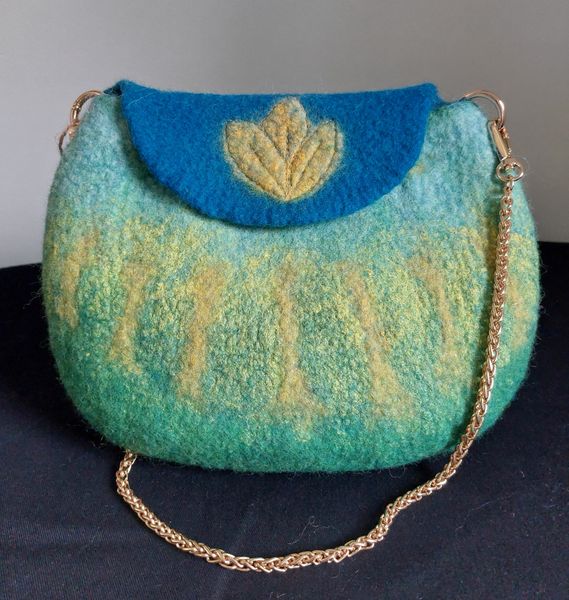
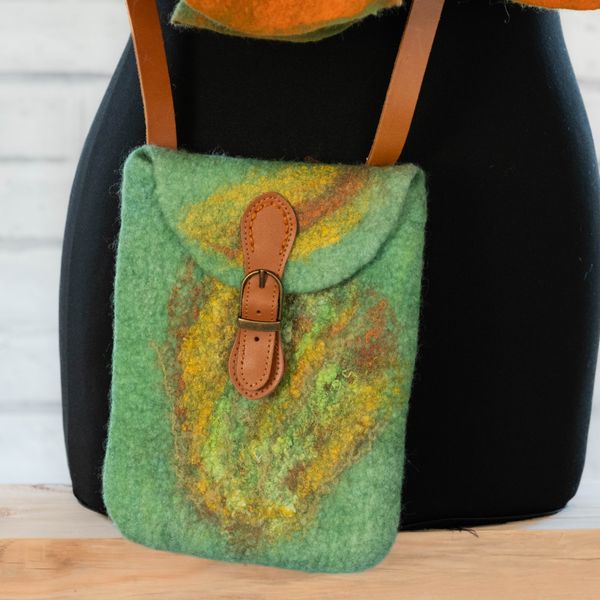
Learn how to create a sturdy small bag with or without a flap using the ancient art of wet felting. Your bag can be a small clutch-type bag or a small cross body bag. They both will include fixings for a strap but the strap is not included. Karen will provide advice on how to attach a purchased strap. Wet felting involves laying out wisps of wool in different directions, sprinkling them with warm soapy water and then rubbing and rolling them until all the fibres have completely bonded together. In the morning you will learn how to lay out the wool fibres around a template to create a bag with no stitching, and how to use silk and plant fibres to decorate it. In the afternoon we will add soap and water to your design and begin rubbing and rolling until the fibres have felted together and the bag is sturdy enough to be used. Please note, the rubbing and rolling stage can take up to 2 hours. This course is suitable for those who have felted before but would like to learn how to make a bag structure with a flap. PLEASE NOTE: felting a small bag can be quite strenuous on the wrists and shoulders, so if you have any problems in those areas, please contact Karen to discuss before booking. All you need to bring are two small towels, a waterproof apron (optional), a packed lunch and a plastic bag to take your wet towels and bag home in.
What's included in the price?
All materials are provided except the strap. Drinks and biscuits will also be provided.
Duration
6½ hours
Cancellation policy
Easy - Cancellation and a full refund can be obtained up to 2 weeks before the course starts
Maker
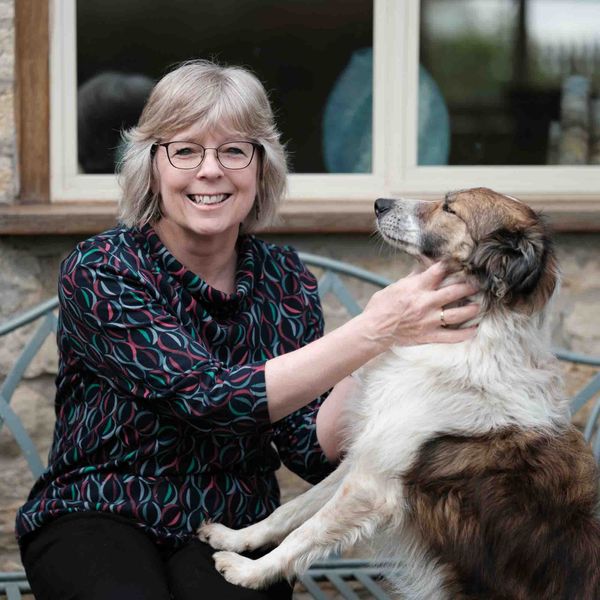
Karen is a feltmaker and textile artist. She has been designing and creating with textiles since she was a child, but in 2015 she was introduced to the ancient art of wet felting and instantly fell in love with the incredible versatility of it. Since then, she has concentrated primarily on her felt making, taking numerous courses from UK and international felt makers, to develop and refine her skills. She is also a member of the International Felt makers’ Association. Karen creates richly detailed accessories and artwork inspired by the colours and textures of nature. She says: "Nature offers an endless array of textures to study, from the gnarled, knotted, twisted bark of an ancient oak, to the delicate lace of foam left by receding waves. These are the elements that truly captivate me and provide the starting point for all of my work. The changing light and colours of the seasons are also a constant source of inspiration. I find colour to be incredibly uplifting and mood enhancing . The fresh new lime greens of spring inspire hope and optimism, the deep azure blues of the sea and reds, purples and yellows of summer meadows create a sense of joy and energy, and of course the rich coppery browns, ochres and rusty oranges of autumn conjure up the feelings of cosiness and warmth. I hope to evoke some of these emotions from the viewer when creating my work."
Suitable for
- Adults
- Intermediate level
- Parking provided
- Tutor can travel

FAQs
I supply all the materials for felt making. All you need to supply are 2 hand towels to work on and your packed lunch (if coming all day) plus a plastic bag to take your wet felt creation home.. A waterproof apron is useful but not essential.
YES! I have masks if the wool makes you asthmatic or causes you to sneeze (similar to hayfever) and I also have latex gloves for handling the wool.
NO, not at all! The technique is very easy to learn, but the rubbing and rolling can be a little strenuous when making bags and bowls, so if you have any problems with your wrists, shoulders or neck, please contact me before booking. I can help you during the day, but please let me know first.
NO. Needle felting is 'dry felting'. It uses a barbed needle to encourage the wool fibres to matt together, whereas wet felting uses soap and water.
Wet felting involves laying out wisps of wool in different directions, sprinkling them with warm soapy water and then gently rubbing and rolling them until all the fibres have completely bonded together. During the process, other fibres and materials can be incorporated, such as silk threads and fabrics to decorate the surface of the felt. Pictures and scarves are made in one flat piece, but neck warmers, vessels, hats and bags are made by felting around a resist (or waterproof template) that is then removed part way through the felting process, and gently moulded by hand into the shape you want. This is often called seamless felting or 3D.