Description
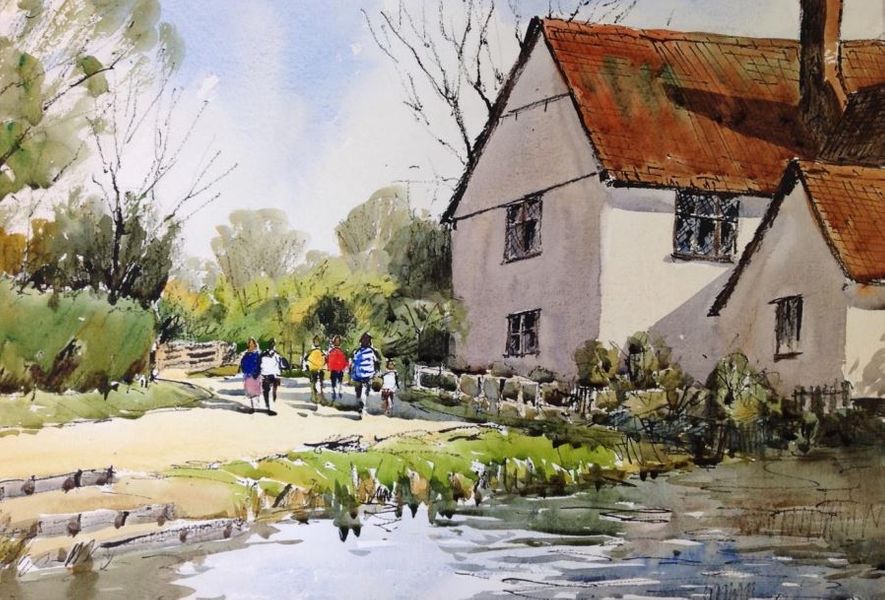
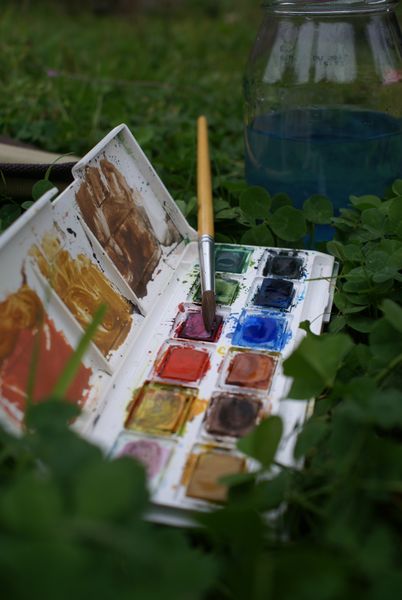
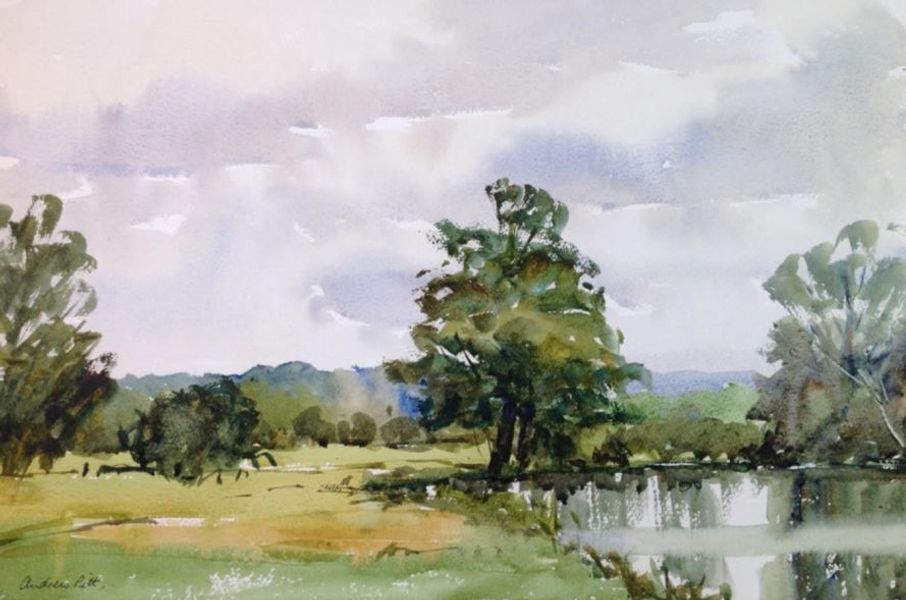
Explore the world of watercolour with Andrew Pitt for ‘Introduction to Watercolours’. The purpose of this course is to explain the best way to start painting in watercolour to ensure maximum enjoyment. To avoid being discouraged, a sound beginning is essential. All the basic principles will be covered, and participants will be given a guide on the simple, basic painting equipment needed. Students will be shown and then encouraged to paint simple landscapes straight away; a visual record of what they have seen to evoke the memories of a pleasant outing in the countryside. This course is for anyone interested in learning to paint in watercolour from scratch. It is designed to teach basic skills and to give you the confidence to enjoy the fascinating medium of watercolour. More experienced painters are welcome if they feel they need a fresh injection of enthusiasm. You will be shown how to handle the materials, and although watercolour can be frustrating, it is nevertheless an endlessly fascinating and enjoyable medium. The aim of the course will be to show, using practical demonstrations, how a simple, straightforward painting method can be an effective way of achieving an attractive, fresh-looking watercolour painting. The purpose of demonstrations is to show students the full potential of pure watercolour and how attractive paintings can be produced by adopting a surprisingly simple and straightforward painting method. Andrew will also probably destroy many myths that seem to surround this medium. What to bring: Bring any painting equipment you already have. The following are suggestions only and describe the equipment Andrew will use. There is certainly no need to purchase everything. It is best if you are completely new to watercolour to purchase the minimum of painting materials first and see what Andrew uses. You will then be able to find out what suits you. There are several full length free-to-watch video demonstrations, including a video about painting materials; please get in touch via the 'message the tutor' button for more information. Brushes - You will need one round (very) large brush for skies and a medium and small brush that point well for detail. So three brushes, probably in the size range 3 – 12. Natural hair (sable or squirrel) is best – avoid synthetic/nylon hair if you can. Colours - Either pan colours (in small plastic holders) or tube colours are suitable – tubes are the easiest and most convenient to use. Andrew will use the following tube colours: - Ultramarine Blue, Raw Sienna, Burnt Sienna. - Prussian Blue, Light Red, Burnt Umber. - Cobalt Blue, Cadmium Yellow, Viridian Green, Alizarin Crimson. - Feel free to add a few personal favourites as well. They help give your painting an individual look. Paper - It is essential that you bring paper made specifically for watercolour painting. A suitable make called Bockingford is obtainable in most art shops. You may also like to bring a small pad of cartridge paper for making quick sketches and notes. Arches watercolour paper is also good with either a Not or Rough surface. Try to use paper which is at least 140lb in weight i.e. thickness, to ensure it doesn’t buckle when wet. Pencils - Please bring at least a 3B or softer pencil. Other materials - please bring a watercolour palette to hold and mix your paint in; a water bottle and water container. Bring an easel if you have one, but the Centre does provide drawing boards and table easels. A soft eraser, masking tape and tissues/kitchen roll will all be useful. Optimists should bring a sun hat. Everyone should bring warm clothes. Other Items - The Centre will provide drawing boards. They also have small sketching stools and easels for hire at a small charge if required. About the tutor: Andrew Pitt Andrew Pitt has been painting landscapes since he was eleven. He has had over twenty one-man exhibitions and has been teaching and demonstrating painting techniques for over 40 years. Andrew is particularly well known for his simple, direct teaching methods and the clarity of his explanations. He has contributed many articles to ‘The Leisure Painter’ magazine, and in 2008, Town House Films filmed him painting in his studio and outside for an instructional DVD. He exhibits at The Serena Hall Gallery in Southwold and has written two books on watercolour painting: “Seasons and Reflections: Notes on Painting in Watercolour” and, more recently, “How to Paint Fresh, loose Watercolours”. In his teaching, he not only shows students how to paint but, more importantly, he clearly explains what he is doing and thinking as he demonstrates. There are many free-to-watch instructional videos on his website and YouTube channel.
What's included in the price?
- Expert tuition. - Free Wi-Fi. - Full board accommodation. - Hot and cold drinks. - Picnic lunch. Refreshments are included, but non-resident bookings are advised to bring lunch with you.
Duration
3 days
Cancellation policy
Strict - Cancellation and a full refund can be obtained up to 8 weeks before the course starts
Maker

Inspiring creativity through nature. The Field Studies Council offers a range of art and craft courses led by experienced tutors in stunning natural settings. From our historic Flatford Mill to Bishops Wood and Amersham, our courses invite you to explore your creativity and learn new techniques. Whether you’re a beginner or an experienced artist, you’ll enjoy hands-on learning in a welcoming, supportive environment.
Suitable for
- Adults
- Seniors
- Accommodation offered
- Parking provided
- Residential
- Engagement, birthdays & anniversaries
- Suitable for beginners
- Intermediate level
- UK Holiday